Shop by CategoryAll 431 products →
A side-by-side comparison of charcoal kamado, pellet, and offset smokers. We cover flavour, ease of use, versatility, fuel costs, and help you decide which type matches your cooking style.
The smoker you choose shapes every cook you'll do for years. Whether you're firing up for a weekend family gathering or settling in for a 14-hour brisket marathon, your equipment becomes an extension of your cooking style. The good news? There's a perfect smoker out there for the way you actually want to cook.
The challenge is that not every smoker suits every cook. A set-and-forget pellet grill with WiFi control looks brilliant on paper—until you realise you prefer the ritual of tending a fire. Conversely, a traditional offset smoker delivers unmatched flavour and theatre, but demands patience and skill that some folks simply don't have time for.
This guide cuts through the hype and helps you narrow down your choice based on three critical factors: how much time and attention you want to invest, what flavour profile matters to you, and your budget. We'll walk through each major smoker type, show you the real advantages and limitations, then help you match the right equipment to your cooking style.
Charcoal and kamado smokers use intense, dry heat from burning charcoal or charcoal briquettes. The magic is in the airflow—dampers and vents let you control temperature precisely by managing oxygen to the coals. Kamados are specifically egg-shaped ceramic vessels that trap and radiate heat, creating an incredibly efficient cooking environment.
Think of it like having a small forge on your patio. You light the charcoal, let it reach your target temperature (usually 225–275°C for smoking), and then spend your cook managing the vents. It's hands-on, but in a deeply satisfying way.
Versatility is the big one. You can smoke low and slow, sear at high heat, bake pizzas, roast vegetables—even make cocktails over the coals if you're that type. Most versatile cooking tool in the backyard.
Fuel efficiency is exceptional. Once you dial in your vents, charcoal burns cleanly and steadily. A full load of briquettes can last 18+ hours on a typical smoke. Cost per cook sits well below pellets over time.
Flavour hits hard. Charcoal smoke is clean, pure, and lets the meat's natural taste shine. Add hardwood chunks for complexity. It's the reason pitmasters who care about flavour favour charcoal and offset methods.
No electricity required. Works in your backyard regardless of weather or power availability. Completely mechanical—there's nothing to break electronically.
Price-to-performance is strong, especially if you're comparing to mid-range pellet models. A solid Kamado Joe Classic will cost less than a premium WiFi pellet setup.
Learning curve. Mastering airflow and temperature stability takes practice. Your first few cooks might swing 20–30°C. Once you understand your gear, it becomes intuitive, but it's not instant.
Weight. Ceramic kamados are heavy. A Classic weighs around 40kg. You're not moving it around regularly. If portability matters, this matters.
Attention required. You'll check your vents regularly during the cook. Some people love this meditative focus; others find it tedious.
Charcoal access. Quality briquettes vary wildly. You want proper lump charcoal or premium briquettes for best results, and not all servo stations stock them.
All-rounders who want versatility, love flavour, and don't mind hands-on cooking. Great first smoker for someone serious about smoking but uncertain which direction they want to lean.
| Model | Price | Best For |
|---|---|---|
| Joe Junior | $849 | Small households, balconies, starter |
| Classic I | $1,599 | 4–6 person cooks |
| Classic II | $1,999 | 6–8 person cooks |
| Classic III | $2,699 | Serious home cooks |
| Big Joe I | $2,199 | Entertaining, larger cooks |
| Big Joe II | $2,699 | High-volume cooking |
| Big Joe III | $3,399 | Commercial-grade home use |
Pellet smokers run on compressed wood pellets fed automatically to a firepot by an electric auger. You set your target temperature on a digital controller, and the grill adjusts the auger speed to maintain heat. Many modern models include WiFi and app control so you can monitor your cook from inside.
Think of it as the cruise control for smoking. You load the hopper, set the temperature, and the grill handles the heavy lifting. Most cooks will set the smoker in the morning and check it intermittently rather than constantly tending it.
Set-and-forget operation. Dial your temperature, walk away. The controller maintains consistency automatically. Minimal checking required, letting you spend time on sides, drinks, or just relaxing.
WiFi and app monitoring on premium models. Check temperatures from the kitchen or garden without walking to the smoker. Notifications alert you if something drifts.
Consistency is excellent. Temperature swings of ±5°C are standard. If repeatable results matter, pellets are highly predictable.
Ease of use is outstanding. Beginners succeed immediately. No learning curve with airflow or technique—just load and cook.
Fuel variety. Different pellet blends (oak, hickory, cherry, apple) create different flavour profiles. Switching woods takes seconds.
Automation makes them perfect for busy lives. Time-starved cooks get brilliant results without fussing.
Electricity is essential. Augers, controllers, and fans all run on power. No grid? No smoke. This is the critical drawback for off-grid or weather-challenged setups.
Smoke flavour is milder than charcoal or offset methods. Pellets burn cleanly, which is brilliant for consistency but lacks the deep, complex smoke character some cooks crave. It's still delicious—just different.
Hopper capacity matters. Most hold 15–20kg of pellets, lasting 8–20 hours depending on temperature. Longer cooks mean refilling mid-cook.
Grease management. Pellet grills produce more rendered fat than charcoal smokers. Drip trays need emptying or lining regularly.
Initial cost. Quality pellet smokers start around $900 and jump quickly. Basic models exist, but you'll sacrifice features and build quality.
Pellet sourcing. Not all regions have consistent premium pellet supply. Bulk buying helps, but storage is required.
Busy home cooks, entertainers, and anyone who values consistency and ease over ritual. Also ideal if you're juggling kids, work commitments, or simply want to maximise relaxation time during a cook.
| Model | Price | Best For |
|---|---|---|
| Nexgrill Oakford 715 | $899 | Entry-level, smaller cooks |
| Nexgrill Oakford 875 Pro | $1,169 | Mid-range, digital control |
| Nexgrill Oakford Pro 1125 | $1,439 | Larger capacity, serious home use |
| Model | Price | Best For |
|---|---|---|
| GMG Trek Prime 2.0 | $1,200 | Portable, WiFi control |
| GMG Ledge Prime 2.0 | $2,400 | Large family cooks, premium build |
| GMG Peak Prime 2.0 | $3,000 | Premium features, ultimate consistency |
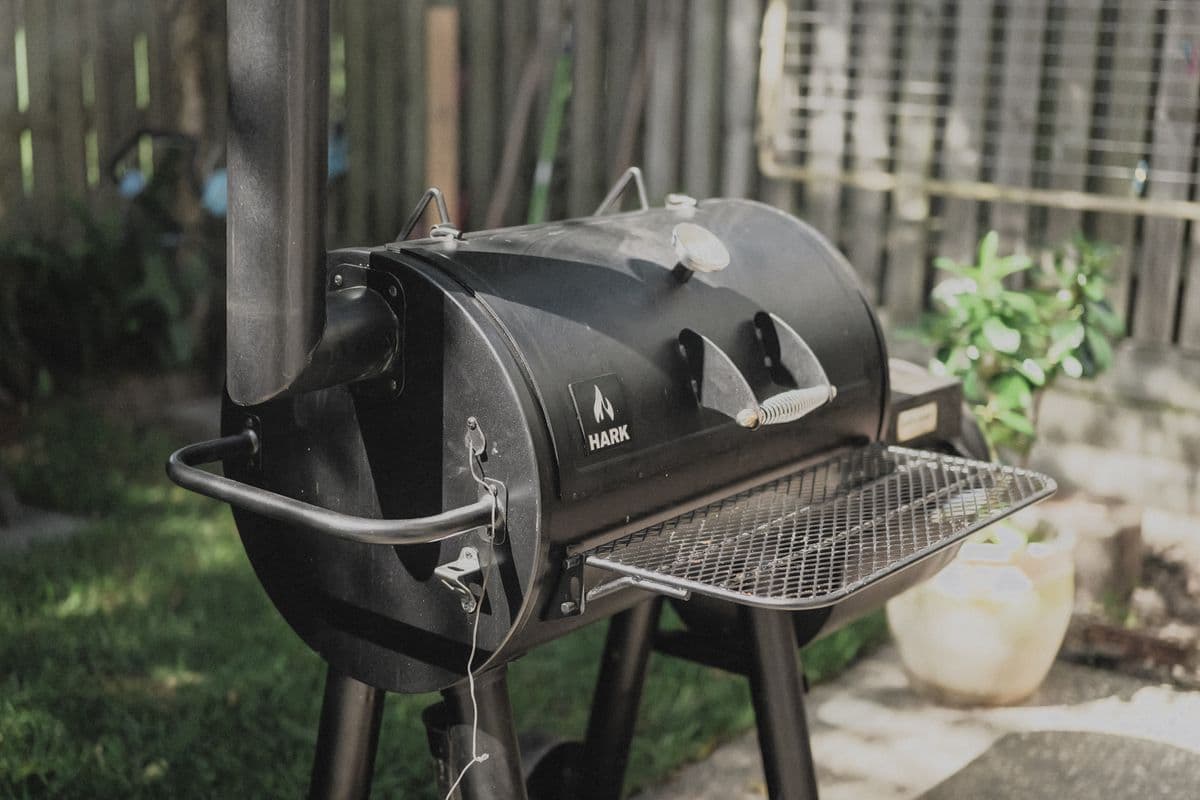
An offset smoker (or barrel smoker) is a large horizontal drum with a firebox offset to one side. Fire in the firebox heats the main chamber, where meat sits on grates. Smoke and heat flow across the meat, then exit through a chimney at the far end.
It's the closest thing to traditional barbecue pit cooking. The offset design creates a heat gradient—hotter near the firebox, cooler at the far end—which skilled cooks use strategically for different meat types.
Deep, complex smoke flavour is unmatched. Offset smokers burn wood at volume—logs or splits—creating rich, layered smoke that defines traditional barbecue. If flavour is your religion, this is the church.
Large capacity. Most offsets hold 8–12 racks of ribs or multiple briskets. Entertaining 20 people? You're cooking once, not in batches.
No electricity required. Pure mechanical operation. Works anywhere, anytime, in any weather.
Tradition and theatre. There's something primal about tending a wood fire, managing a firebox, and nursing a cook for 14 hours. Many cooks describe it as meditative—the opposite of convenience, but in a way that enriches the experience.
Fuel cost is low. Hardwood logs are generally cheaper than charcoal or pellets per cook, especially if you source locally.
Durability. Well-built offsets last decades with minimal maintenance. They're investments, not disposable tools.
Fire management is constant. You're checking fuel, managing firebox temperature, and adjusting intake dampers throughout the cook. It's active engagement for 12–18 hours. Not for the impatient.
Learning curve is steep. Temperature control requires understanding how fuel type, moisture, and damper position interact. Your first few cooks will teach you humility.
Consistency is harder. Weather impacts performance dramatically. Wind, humidity, and ambient temperature all shift your fire dynamics.
Weight and portability. A quality offset smoker weighs 80–150kg. It's a permanent fixture or a major logistics challenge.
Thermal efficiency is lower than kamados or pellets. You'll burn more fuel to maintain stable temperatures, especially in cool weather.
Space requirements. Most offsets are 1.5–2 metres long. They demand real estate in your yard.
Purists who view smoking as an experience, not just a cooking method. Also ideal for folks who already have a covered outdoor space and cook regularly for groups. This is gear for serious backyard pitmaster material.
| Model | Price | Best For |
|---|---|---|
| Hark Hickory Pit | $700 | Entry-level, smaller space |
| Hark Chubby | $1,150 | Mid-range, versatile |
| Hark Texas Pro-Pit | $1,700 | Large capacity, serious cooks |
Gas smokers use propane burners to heat an internal chamber. Wood chips, placed above the burner in a tray, smoulder and create smoke. Temperature is controlled by adjusting the burner flame.
Lowest entry price. Real smoking gear starts here if budget is the primary constraint.
Ease of temperature control. Dial the burner and go. More predictable than charcoal, simpler than offset fire management.
Fuel availability. Propane is everywhere—every servo stocks it.
Smoke flavour is weakest. Wood chips don't burn as fully as logs or charcoal, creating thin, inconsistent smoke.
Limited versatility. You're only smoking. No searing, baking, or high-heat applications.
Propane costs add up over time compared to charcoal or offsets.
Less impressive. Honest assessment: gas smokers feel like compromises rather than proper smokers.
| Model | Price | Best For |
|---|---|---|
| Hark 2 Door Gas Smoker | $390 | Absolute budget starting point |
| Hark Big Boss Gas Smoker | $750 | Larger capacity gas option |
Note: Gas smokers are practical entry points but considered stepping stones by most serious cooks. If budget allows, investing in a quality charcoal or pellet model will reward you more in the long run.
| Factor | Charcoal/Kamado | Pellet | Offset | Gas |
|---|---|---|---|---|
| Ease of Use | ★★★☆☆ | ★★★★★ | ★★☆☆☆ | ★★★★☆ |
| Flavour Profile | ★★★★★ | ★★★★☆ | ★★★★★ | ★★☆☆☆ |
| Versatility | ★★★★★ | ★★★☆☆ | ★★☆☆☆ | ★☆☆☆☆ |
| Price Range | $$–$$$ | $$$–$$$$ | $$–$$$ | $ |
| Maintenance | ★★★★☆ | ★★★☆☆ | ★★☆☆☆ | ★★★★☆ |
| Portability | ★★☆☆☆ | ★★★☆☆ | ★☆☆☆☆ | ★★★☆☆ |
| Fuel Cost (Per Cook) | $$ | $$$ | $$ | $$$ |
| Learning Curve | ★★★☆☆ | ★☆☆☆☆ | ★★★★☆ | ★★☆☆☆ |
| Hands-On Time | ★★★☆☆ | ★☆☆☆☆ | ★★★★★ | ★★☆☆☆ |
Entry point: Kamado Joe Classic I ($1,599)
Entry point: Nexgrill Oakford 715 ($899) or GMG Trek Prime 2.0 ($1,200)
Entry point: Hark Hickory Pit ($700) or Hark Chubby ($1,150)
Entry point: Hark 2 Door Gas Smoker ($390)
The "best" smoker is the one that matches how you actually want to cook—not how you think you should cook. Someone who swears by pellets isn't wrong; they've made a honest choice about their values. Same for the offset devotee or the kamado all-rounder.
Here's what we've learned across hundreds of home cooks in Australia: Start with honesty about your time, budget, and priorities. If weeknights are chaos, pellets remove friction. If weekends are sacred cook time, offsets or kamados reward that commitment. If you want one tool for everything, charcoal/kamado is your answer.
Your first smoker won't be your last—most enthusiasts upgrade or add to their collection over time. Use this guide to get the right first smoker, not the cheapest or the one your mate recommends. The smoker that makes you excited to cook is the one that'll get used.
Ready to commit? Check out our detailed guide on Best Smoker for Beginners for deeper dives into each category and setup tips.
Want to compare specific models? See our Kamado Joe vs BGE: The Ultimate Comparison for the ceramic showdown.
Shop All Smokers and find your perfect match today.
Last updated: March 2026
Made for serious cooks by serious cooks.