Shop by CategoryAll 431 products →
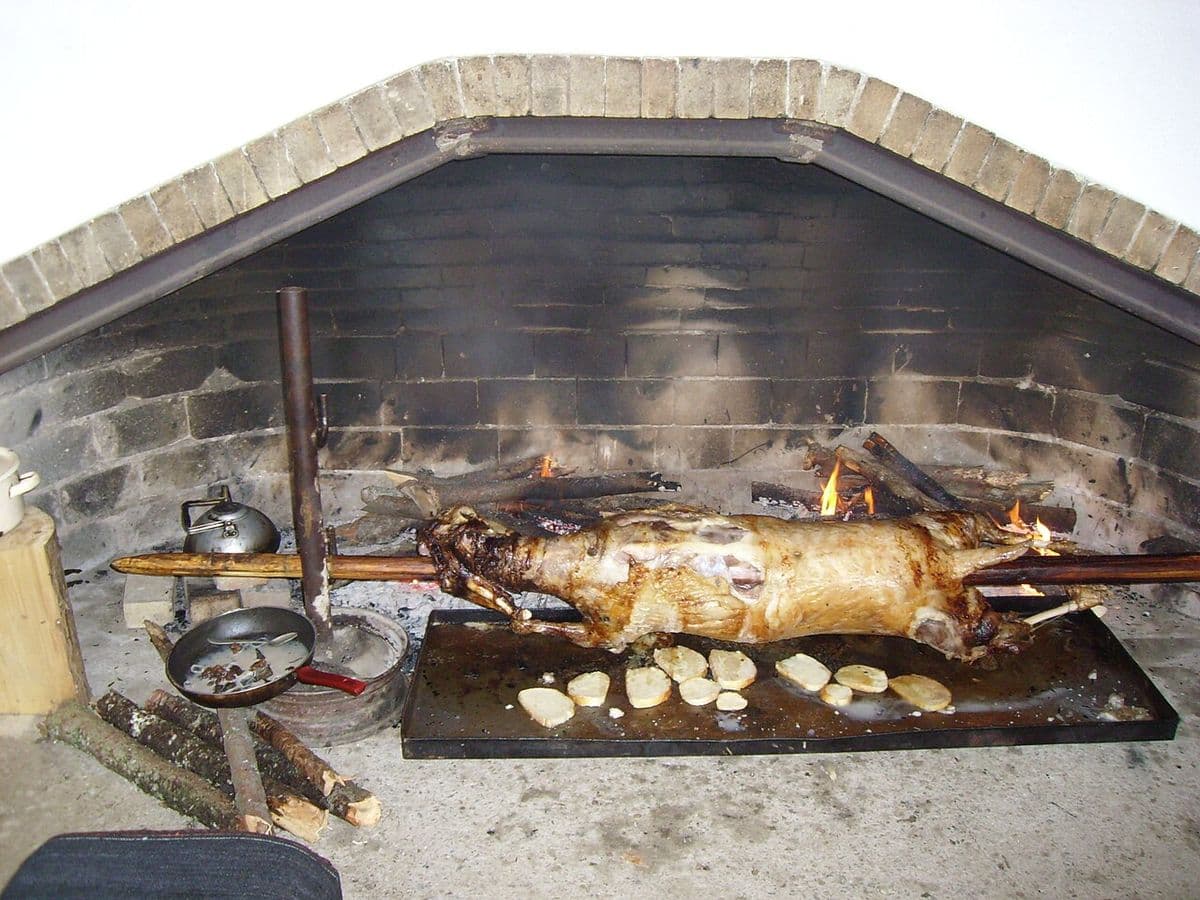
Everything you need to spit roast a whole lamb or lamb leg — from choosing the right cut and setting up your spit to managing the fire, timing, and carving for a showstopping feed.
A whole lamb turning slowly over coals is the centrepiece of any gathering. There's something primal about it—the smoke curling up, the skin crisping to mahogany, mates standing around with a beer watching the show. Whether you're firing up your own spit or hiring one for the weekend, spit roasting a lamb is easier than most blokes think.
This guide walks you through everything from choosing your lamb and setting up your heat source, right through to carving it up and serving it to your crew. By the end, you'll have the skills to pull off a lamb that'll have everyone asking for your secrets.
Not all lamb cuts are created equal when it comes to the spit. You want something with enough fat running through it to stay juicy over hours of cooking, and bones to carry flavour. Here's what works:
Bone-In Lamb Leg is your go-to for smaller to medium gatherings (feeds 6–8). It's forgiving, stays moist, and carves beautifully. Look for a 3kg leg—that's the sweet spot for home spitting.
Boneless Lamb Leg suits those who want easy carving and tidy plating. There's less fat protection, so you'll need to watch it more closely and keep the basting up.
Lamb Racks and Ribs are brilliant if you're after something quicker (45 mins to 1.5 hours) and don't mind feeding a crowd in shifts.
| Product | Price | Best For |
|---|---|---|
| Tasmanian Bone In Lamb Leg | $15.49/kg | Classic spit roast, 6–8 people |
| Tasmanian Boneless Lamb Leg | $27.99/kg | Easy carving, smaller crowds |
| Tasmanian Lamb Racks | $45.99/kg | Quick cook, premium presentation |
| Tasmanian Lamb Ribs | $21.99/kg | Budget-friendly, family-sized |
Pro tip: Order your lamb 2–3 days ahead so it's fresh and you've got time to marinate. Frozen lamb works too, but allow 24 hours to thaw in the fridge.
To spit roast, you need three things: a spit roaster, fuel, and patience.
If you've got one at home already, you're sorted. If not, don't stress—a quality spit hire will cost you far less than buying one outright, and you'll get setup support too. Check out our spit hire service if you're in the Bellarine area.
Charcoal is king for lamb. It burns hot, steady, and gives a clean flavour without the harsh taste of wood smoke (though a few hardwood chunks at the start for smoke are great). Mallee root and mangrove charcoal are your best bets—they're dense, long-burning, and Australian.
| Product | Size | Price | Best For |
|---|---|---|---|
| Mallee Root Charcoal | 20kg | $65 | Long, steady heat |
| Mangrove Charcoal | 17kg | $51 | Quick ignition, even burn |
For a bone-in lamb leg, plan on 10–15kg of charcoal depending on conditions and your setup. Have extra on hand—running out mid-cook is a rookie mistake.
Position a foil-lined tray or steel drip pan under the lamb. This catches the fat and juices (gold for gravy) and stops flare-ups.
Pull your lamb out, pat it dry, and score the skin in a crosshatch pattern—this helps it crisp up beautifully and lets seasoning in.
Classic Marinade:
Rub it all over the lamb, inside the cavity if there is one, and into those score marks. Let it sit overnight in the fridge. If you've got boneless lamb, roll it tightly and marinate the whole thing.
Short on time? A dry rub works just as well. We've got a range of rubs and seasonings that suit lamb perfectly. Mediterranean, smoky, or herbaceous—take your pick.
Pro tip: About 1 hour before cooking, pull the lamb from the fridge so it comes closer to room temperature. This helps it cook more evenly.
Arrange your charcoal in a two-zone setup: pile it on one side of the firebox, leaving the opposite side mostly clear. This is indirect heat—the lamb cooks gently from the radiant heat, not from direct flames below.
Light your charcoal 30–45 minutes before you plan to cook. It should be mostly white-ash when you're ready to go.
Target temperature: Use a meat thermometer pushed into the thickest part (without touching bone). Aim for:
Most Aussies sit around 70°C—that sweet spot where it's cooked but not dry.
Bone-in leg: 2–3 hours (depending on size and heat)
Whole lamb: 4–6 hours
Every 30 minutes:
Every 45 minutes:
Fire management: You want a steady temperature, not spikes and crashes. If it's getting too hot, spread the coals out; if it's dropping, pile them up a bit and add fresh charcoal.
If the skin isn't crispy enough, move the lamb closer to the heat (if safe to do so) or bump up the charcoal. The skin should be mahogany-brown and crackle when you tap it.
Once your thermometer hits target temp, pull the lamb off the heat and let it rest for 20–30 minutes. This stops the juices rushing out when you cut into it.
Bone-in leg: Slice against the grain, angling your knife to follow the natural seams. The bone makes a handy anchor—work around it. Aim for 1–2cm slices. Leave some meat on the bone for gnawing, if you're that way inclined.
Boneless leg: Slice it in half lengthways first, then slice across both halves at an angle. It's more uniform and looks sharp on a platter.
Place carved lamb on a warm platter, cover loosely with foil, and carry it to the table. Don't forget the drip pan—pour those juices into a jug for gravy.
Spit roast lamb is a statement dish. Keep the sides simple and fresh so the meat stays the star.
The Classics:
Drinks: Cold beer, crisp white wine, or a refreshing lemonade. No rules.
Plan for 250g per person (raw weight) for bone-in lamb. Boneless stretches a bit further since there's no waste. A 3kg bone-in leg will comfortably feed 6–8 hungry people with modest sides.
Spit roasting a lamb isn't fancy cooking—it's honest food cooked over fire, the way it's meant to be. You'll feel like a legend standing over that spit, and your crew will thank you for days.
Got questions before you start? We're here to help. Browse our Tasmanian lamb range, check out our spit hire service if you need kit, or grab some quality charcoal and fuel while you're at it.
Let's get cooking.
BBQLicious—East Coast Meat & Spit Hire, Bellarine Peninsula.